
Table of Contents
- Why Solid Wood Tenor Guitars Sound Better
- Laminate vs Solid Wood Guitar Construction
- Tenor Guitar Tonewoods and Soundboard Selection
- Frequently Asked Questions
Last Updated: October 11, 2026
Why Solid Wood Tenor Guitars Sound Better
Solid wood tenor guitars deliver warmth, clarity, and responsiveness that laminate instruments simply cannot match. When you play a solid wood tenor guitar, the wood itself becomes part of your voice, resonating, projecting, and aging beautifully over decades of playing.
The difference comes down to how wood vibrates. Solid wood moves freely, allowing sound waves to travel through the body and emerge with complexity and depth. Laminate construction, by contrast, dampens vibration. The result is a muted, brash tone that lacks the sustain and harmonic richness musicians seek.
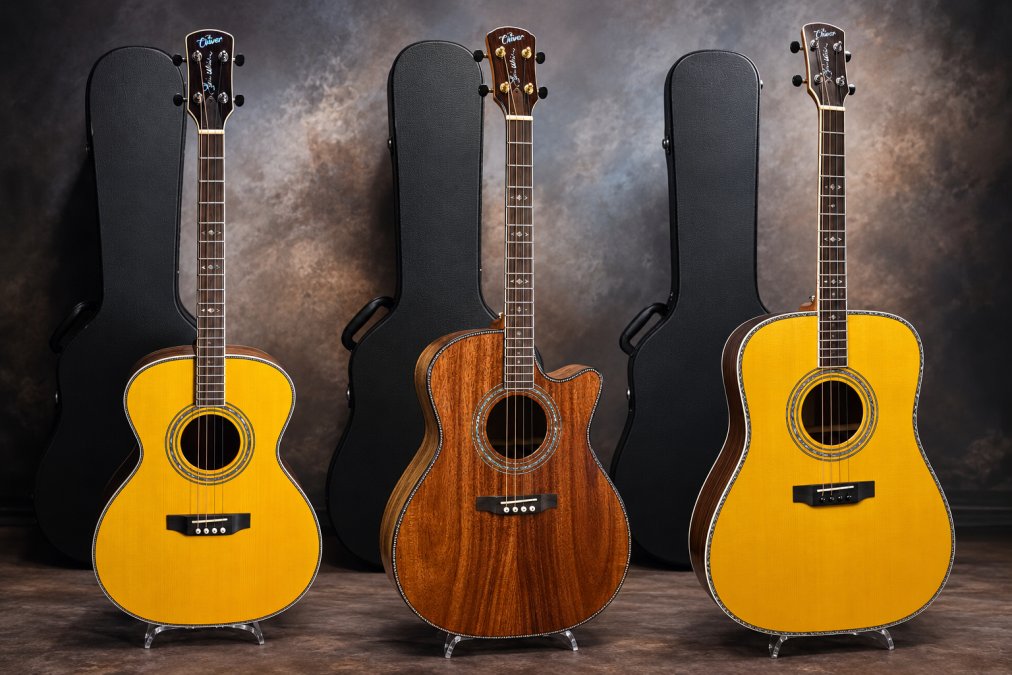
At Craven Tenor Guitars, we hand-select every piece of wood, understanding that material choice determines everything about how an instrument will sound and age. This commitment to solid wood construction separates a lifetime instrument from a disposable one.
Laminate vs Solid Wood Guitar Construction
Laminate construction uses thin layers of wood glued together with plastic adhesive, primarily for mass-production and warehouse distribution. Laminated guitars are often sound-dead and brash, lacking sustain.
Solid Sitka spruce paired with mahogany represents an industry standard based on decades-old technology. While sound may improve marginally through string choice and setup, these guitars will always retain a degree of brightness. These instruments are typically mass-produced to lower costs and are sold through online retailers and brick-and-mortar shops.
Premium legacy crafted woods deliver richer tonal quality, increased note clarity, volume, and more complex tonal characteristics. They are expensive for a very good reason. With legacy crafted woods, you can brighten the tone through string selection; with standard Sitka and mahogany, your ability to deepen or warm the tone is very limited.

We craft our instruments in limited numbers to maintain production quality, sold direct to customers without middleman markups.
Tenor Guitar Tonewoods and Soundboard Selection
Your choice of tonewood determines your instrument’s sonic foundation and resonance pattern.
Laminate soundboards are cheap, muted, and brash, with limited improvement potential.
Visit Craven Tenor Guitars today →
Solid Sitka spruce soundboards offer clarity and projection as the industry standard, but inherent brightness persists regardless of setup or string choice.
Torrefied Sitka soundboards have been heat-treated to accelerate aging and improve resonance, often paired with walnut for warmth or rosewood for deeper bass response.
Full Acacia construction delivers the richest tonal palette, producing muscular bass and snappy highs without sounding brash.
Solid wood tenor guitars age gracefully and assure a better investment for long-term satisfaction; laminate guitars age poorly, becoming duller and more lifeless.
Frequently Asked Questions
What is the difference between a solid wood and laminate tenor guitar?
Solid wood tenor guitars feature genuine wood throughout the soundboard and body, allowing sound waves to vibrate freely and resonate naturally. Laminate guitars use thin layers of wood glued to plywood, which dampens vibration and produces a muted, brash tone with minimal sustain. Solid wood instruments respond to your playing dynamics; laminate guitars often sound dead and lack the complexity that makes tenor guitars musically rewarding.
Does a solid wood tenor guitar sound better over time?
Yes. Solid wood instruments improve with age as the wood settles and the soundboard becomes more responsive. With proper humidity control, a solid wood tenor guitar develops richer tonal complexity and greater projection over years of play. Laminate guitars do not improve meaningfully; they remain sonically static. Legacy crafted woods like torrefied Sitka and Acacia offer the most dramatic tonal evolution, delivering increased note clarity and volume as the instrument matures.
Are solid wood guitars worth the investment?
For serious musicians and collectors, absolutely. Solid wood tenor guitars built with premium tonewoods represent a lifetime investment. They retain playability and tonal character across decades, whereas mass-produced laminate alternatives require replacement within years. Hand-crafted solid wood instruments with legacy tonewoods offer unmatched tonal depth, responsiveness, and durability—making them the clear choice for musicians who value authentic sound and long-term satisfaction.
Choosing a solid wood tenor guitar means investing in an instrument that will outlast trends and reward your dedication. The difference between solid wood and laminate construction becomes obvious within the first hour of playing, and only grows more apparent over time. When you’re ready to experience what a truly handcrafted instrument can do, we’re here to build something that becomes part of your musical voice.
